Bathroom Made Easier
A practical guide to toilet transfers, showering, and safer movement in the bathroom.
Read the guide →Practical, therapist-informed guidance for older adults and families who want to move around the home with more comfort and confidence—without making it feel like a hospital.
A chair that feels too low. A dark path to the bathroom. A toilet that's difficult to stand from. Home Made Easier looks at these everyday problems first, then explores practical changes, movement strategies, and equipment when it makes sense.
There isn't one setup that fits every home or every person. If someone needs hands-on help to move safely, ask a physical or occupational therapist to assess the situation.
The bathroom guide is available now. The other rooms show the everyday tasks this series will address as more guides are added.
Getting on and off the toilet, choosing support, and moving in a small space.
Read the bathroom guide →Getting in and out of bed and making nighttime trips easier to navigate.
Guide in developmentStanding from a chair and keeping common walking paths clear.
Guide in developmentReaching for what you use and moving comfortably while preparing food.
Guide in developmentNavigating steps and getting into or out of the home.
Guide in developmentClear routes between rooms, lighting, and everyday mobility.
Guide in developmentExplore practical ways to make toilet transfers, showering, and moving around the bathroom easier. If you’re considering a raised toilet seat, my Lunderg Solva review is available on its own page.
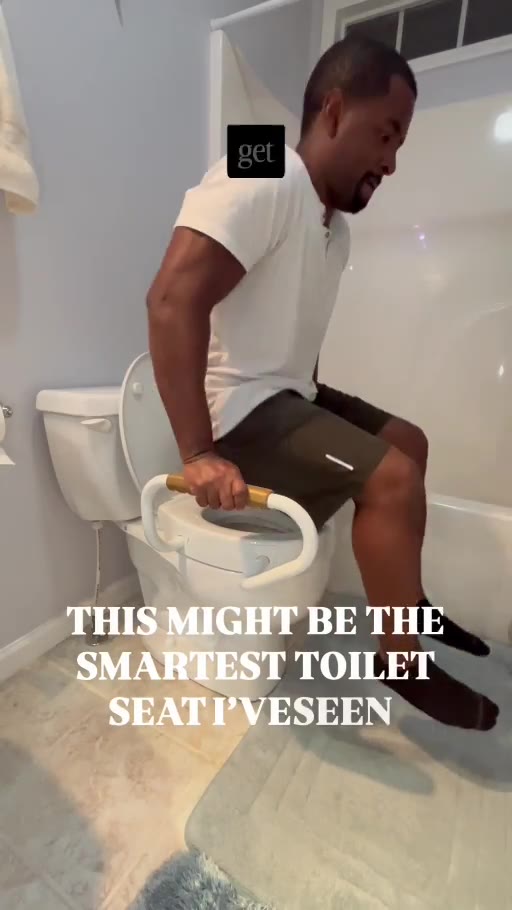
A product can help with a specific problem. It can't replace a good fit, safe setup, or the strength and movement skills used in daily life.
Which task is harder, when does it happen, and what would make it easier?
Notice lighting, walking paths, stable supports, and the height of surfaces used every day.
That may be a change to the setup, a movement strategy, equipment, or a personalized assessment.
Does it actually make the everyday task easier for the person using it?
Does it feel stable and fit the person and the space appropriately?
Can someone set it up, clean it, and use it consistently?
Does it work in a real home without adding unnecessary clutter?
Simple changes such as clearer paths and better lighting can also matter. See the CDC's home safety checklist for a room-by-room starting point.
A practical guide to toilet transfers, showering, and safer movement in the bathroom.
Read the guide →Get 10 easy ideas you can add to normal daily routines. Enter your email once to access the free Move More resource, and this browser will remember you.
Get my free mobility tips